

WHAT TO KNOW BEFORE YOU START
Choose the right cable tie for your task by checking three key details:
- Length: Ensure it wraps around your bundle with extra strap for tightening (4–48+ inch options available).
- Tensile strength: Match to the load (5–175lbs for plastic; up to 400lbs for stainless steel).
- Environment: Use UV-stabilized ties for outdoor use, food-grade for kitchen tasks, and metal ties for high heat/corrosive settings.
Releasable cable ties have a small release tab for reuse, while standard plastic ties are permanent—ideal for long-term projects.
STEP-BY-STEP: USE A STANDARD PLASTIC CABLE TIE (NO TOOLS NEEDED)
- Gather your bundle: Neatly align cables, hoses, or tools—leave slight slack for delicate items like wire insulation to avoid damage.
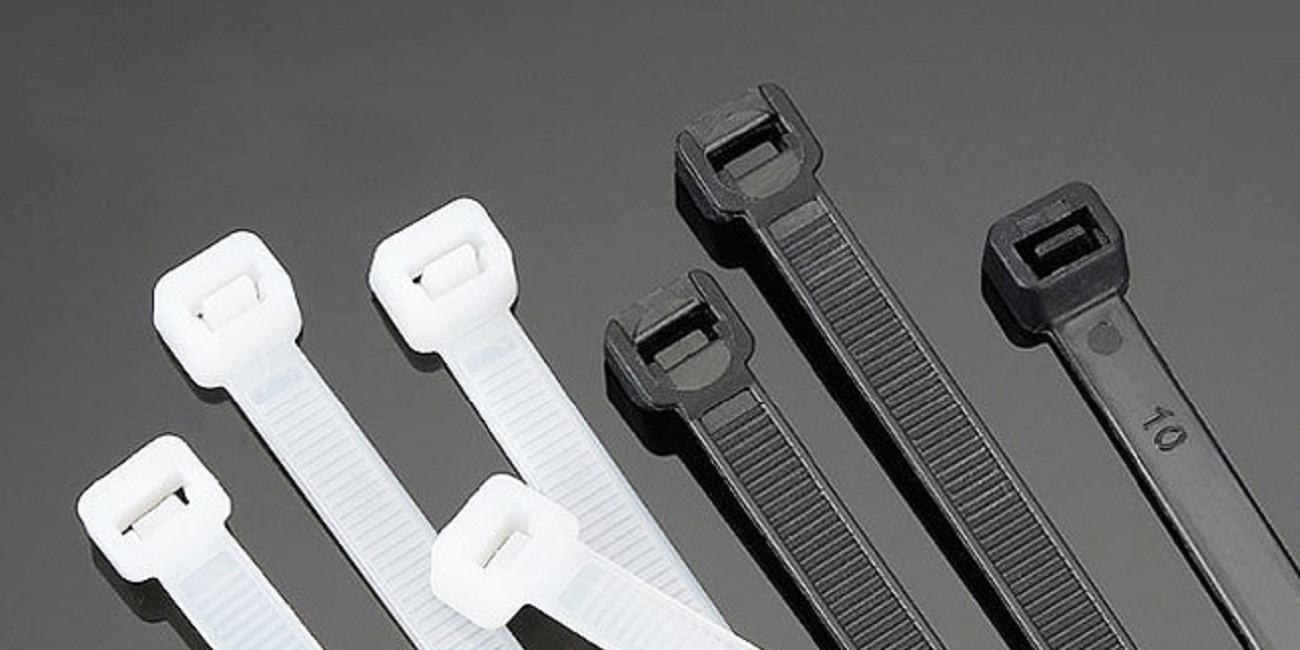
- Thread the tie: Take the smooth (toothless) end of the strap and feed it through the tie’s square head, with the teeth facing the inside of the bundle (critical for the ratchet to lock).
- Pull tight: Grip the head and pull the loose strap firmly until the tie is snug—do not over-tighten (it can crack plastic or crush materials).
- Trim excess (recommended): Use wire cutters, scissors, or a cable tie trimmer to cut the extra strap (leave a 1/4–1/2 inch tail). Trimming eliminates sharp edges for a clean, safe finish.
RELEASABLE/REUSABLE CABLE TIES
Follow the standard 4 steps above for fastening. To unlock: Press the small plastic release tab on the tie’s head with a fingernail or flathead screwdriver, then pull the strap back out. Reuse for temporary projects like holiday lights or office cable management.
HEAVY-DUTY PLASTIC & STAINLESS STEEL CABLE TIES
- Heavy-duty plastic: Use the same steps as standard ties; for thick bundles, a cable tie tensioning tool ensures consistent tightness—trim with heavy-duty cutters (regular scissors won’t work).
- Stainless steel: Thread the strap through the head, then use a metal cable tie tool to tighten and cut excess strap in one motion (hand-tightening is impossible). These permanent ties are for high heat, marine, or construction use.
PRO TIPS FOR PERFECT USE
- Match tie size/strength to the job—too short = no secure lock; too weak = snap under pressure.
- Use cable tie mounts (adhesive/screw-on) to fasten bundles to walls, floors, or equipment and prevent slipping.
- Layer ties on large bundles (space a few inches apart) for extra strength.
- Store plastic ties in a cool, dry place—direct sunlight/extreme heat makes them brittle.
- For electrical projects, slide heat shrink tube over the tie for moisture and wear protection.
COMMON USES FOR CABLE TIES
Cable ties go far beyond cable management—their versatility makes them useful for:
- Home/office: Organize wires, bundle cleaning tools, secure trash bags to cans.
- Automotive/marine: Fasten under-hood wiring/hoses, secure boat gear (use marine/metal ties).
- Gardening/outdoor: Tie plants to trellises, bundle garden hoses, hang holiday decorations.
- Industrial/construction: Bundle conduits/pipes, secure tarps, fasten scaffolding accessories.
- Travel/camping: Secure luggage, tent poles, and camping gear.
MISTAKES TO AVOID
- Using non-UV ties outdoors (they crack in sunlight).
- Over-tightening (damages materials and breaks ties).
- Threading the strap backwards (teeth out = ratchet won’t lock).
- Using plastic ties for high-heat applications (use stainless steel instead).
- Leaving untrimmed sharp tails (causes scrapes or material damage).
FINAL TAKEAWAY
Cable ties are a simple, indispensable tool for quick and secure fastening. By choosing the right type, following the basic steps, and avoiding small mistakes, you can use them for nearly any organizing or securing task—at home, work, or outdoors. A bulk pack of cable ties ensures you always have a quick solution for clutter and loose items, no matter the project.